A GUIDE TO WHAT EACH GROUP WILL SHOW
Student Work Gallery
This gallery is for genuine student work, which will be added once supplied. For now it sets out what each group will show (line work, design and finished fine line pieces), what to look for in the work and which course builds that skill. Photos on this page are reference images, not student work.
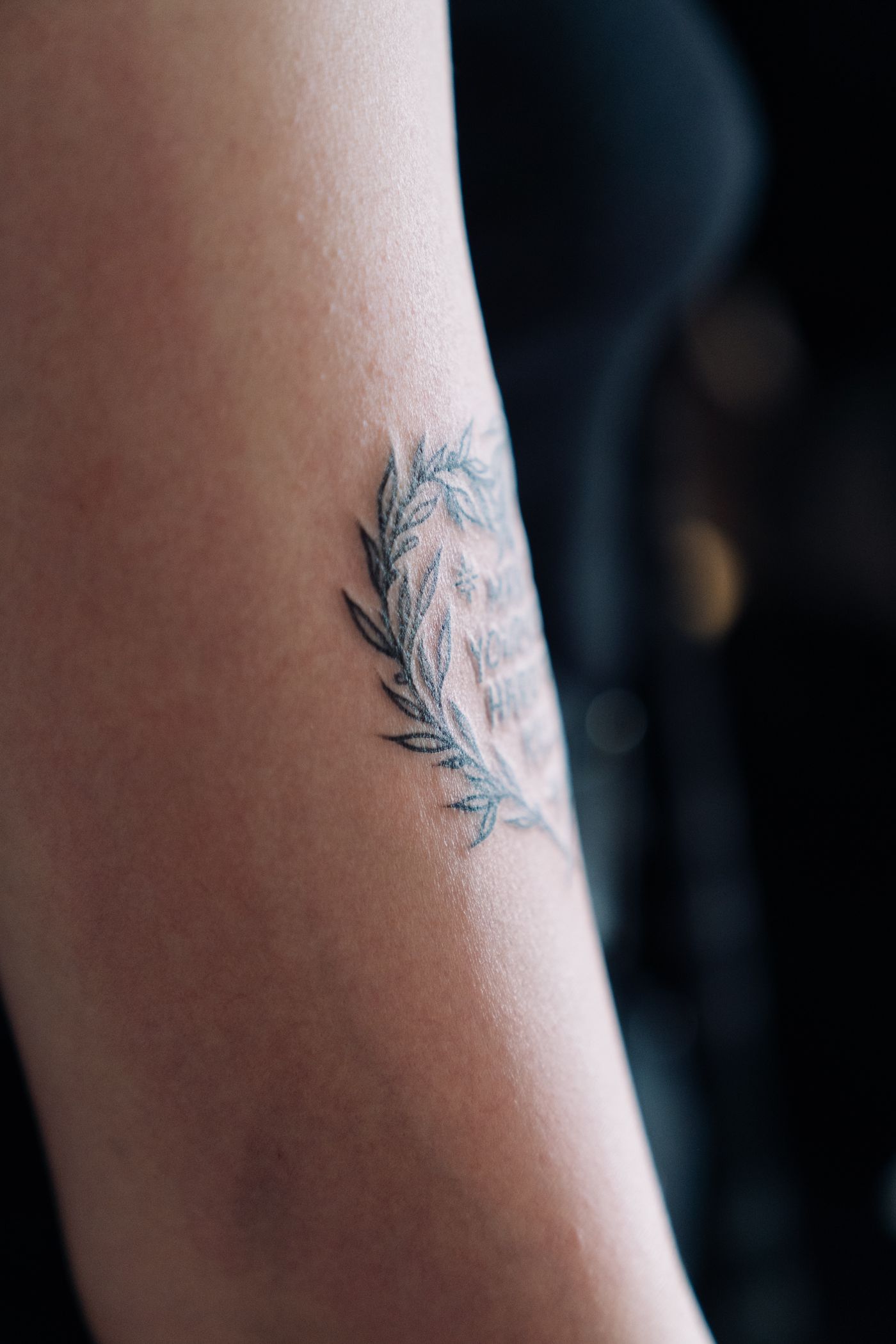
Reference image: a botanical fine line tattoo, shown to illustrate the style taught.
A
Line work
This group will show practice lines on skin pads and early pieces once genuine student work is added. When it does, look for a steady weight from the first point of contact to the last, clean corners, and curves that do not wobble or blow out as they turn.
RELATED COURSES
B
Design
This group will show student sketches, flash sheets and stencils once supplied. Good fine line design leaves enough space between lines to age well, sits comfortably at its intended size, and follows the shape of the placement.
RELATED COURSES
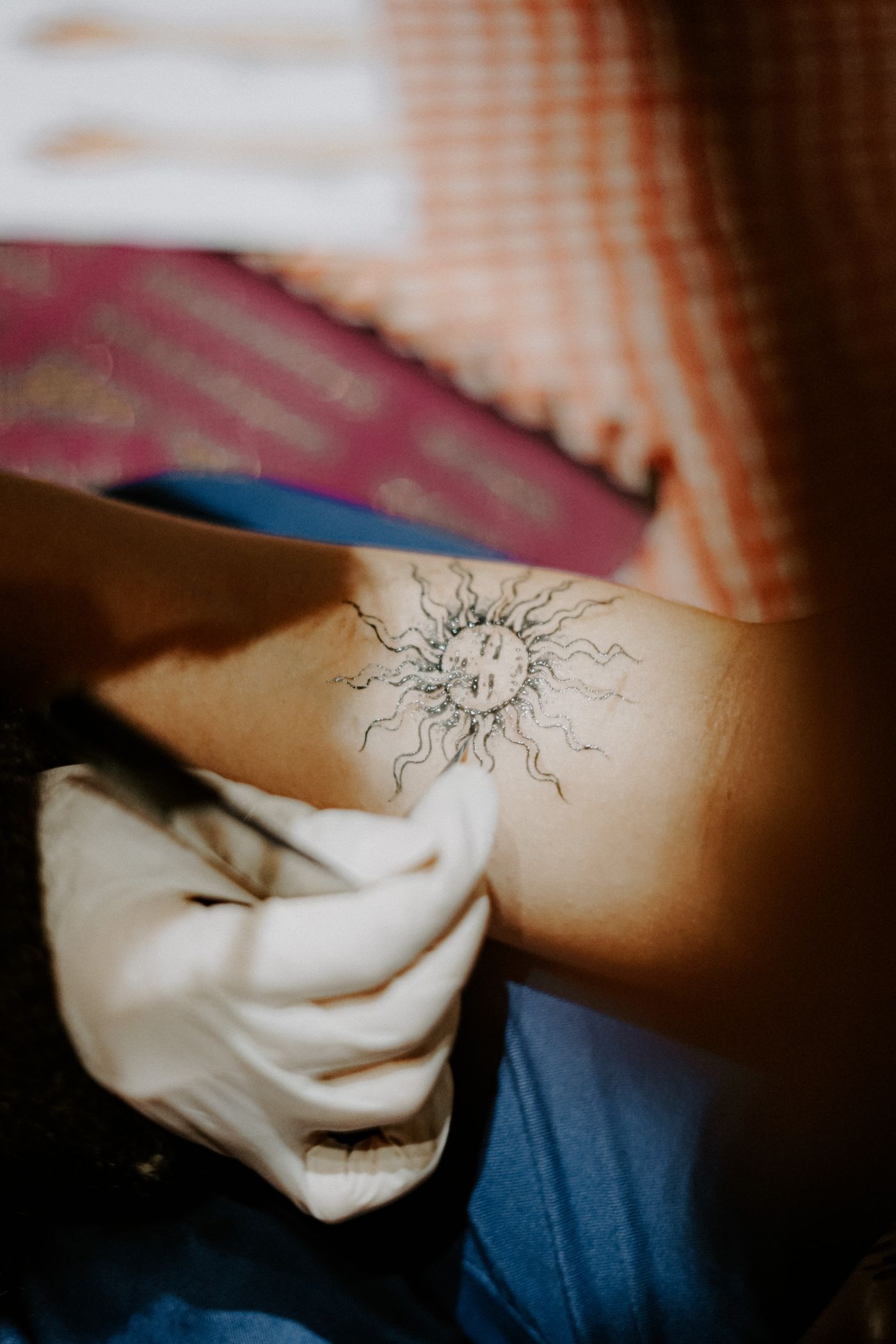
Reference image, not student work: a small fine line sun tattoo.
C
Fine line pieces
This group will show finished student tattoos such as script, botanicals and small symbols once supplied. Here design, machine control and needle choice come together, and small detail has to stay readable once the skin has settled.
RELATED COURSES

Reference image, not student work: a floral botanical tattoo on an upper arm.
D
How to read a fine line piece
Whether you are judging your own practice or comparing courses, the same questions show where a piece is strong and where the next stage of training should focus.
Is the line weight consistent?
Thin lines should stay thin all the way. Changes in weight point to hand speed, depth or needle choice. See How to Build Clean, Consistent Line Work.
Is it fresh or settled?
A fresh tattoo looks sharper than it will later. Settled skin shows whether the lines were put in at the right depth.
Does the scale suit the detail?
Tightly packed detail at a small size can close up over time. Spacing is a design decision, covered in Designing Tattoos for Fine Line Work.
Does it follow the placement?
A good piece sits with the curve of the wrist, arm or collarbone rather than fighting it.
Was the station clean?
You rarely see hygiene in a photo, but it matters in every piece. See Tattoo Hygiene & Safety Training.
BEFORE THE SKIN
The work starts on paper
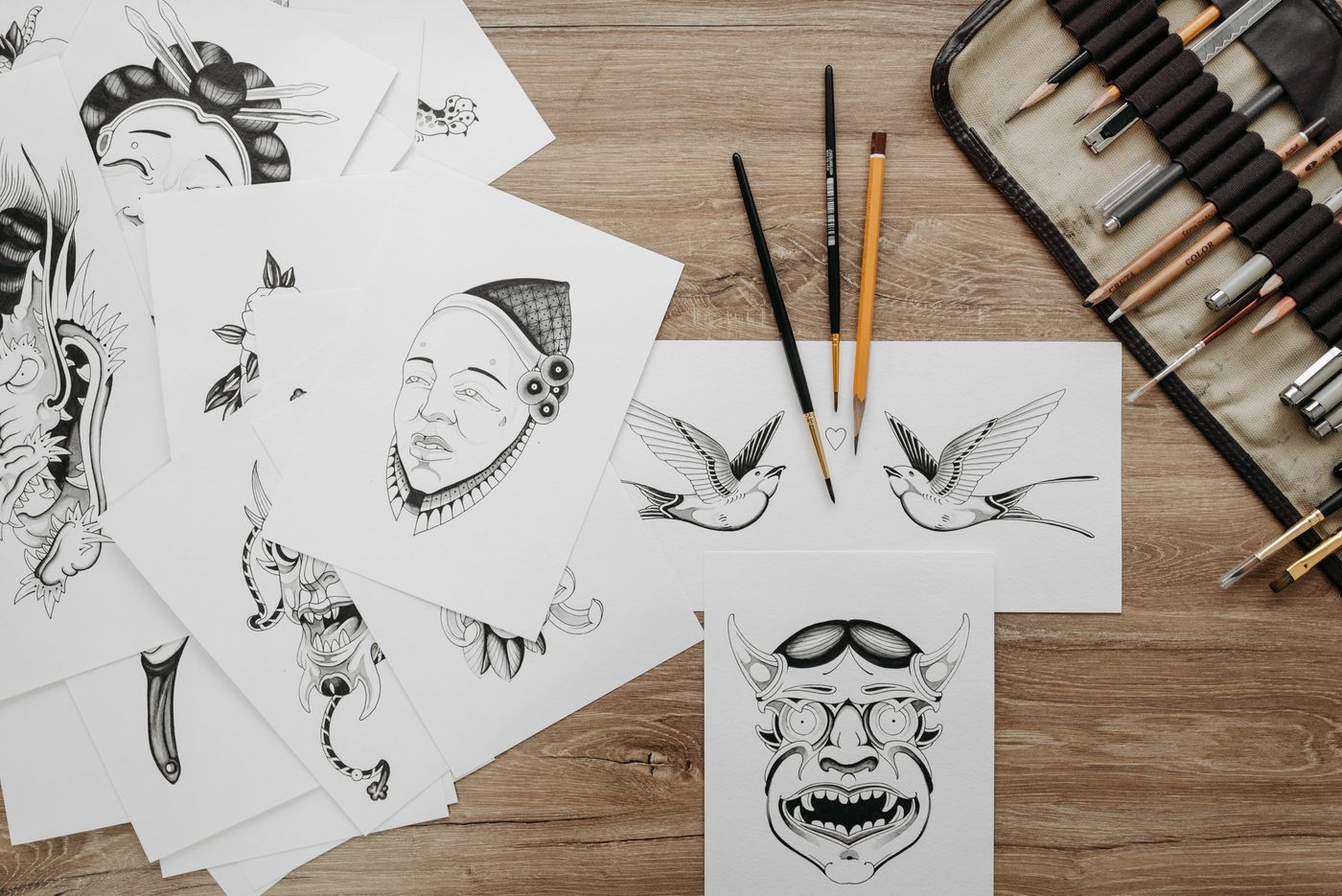
A strong portfolio shows more than finished tattoos. Pages of drawing, redrawn stencils and test lines show how a design was tightened before any needle touched skin. Many new students start here.
Reference image: tattoo sketches and drawing tools.
If you’re new to fine line, start with the Beginner Fine Line Tattoo Course. If you already tattoo, the Advanced Fine Line Tattoo Course and the individual skill courses focus on one area at a time. You can compare all of them on the course register. For anything else, use the Contact page.