TRAINING RESOURCES · CAREER PATH
How to Become a Tattoo Artist in Australia
There’s no single shortcut into tattooing. You get there by building skills in order: drawing, structured training, safe practice, a portfolio worth showing, and knowing the rules where you plan to work.
THE PATH
Five stages, written down in order
The stages overlap, but skipping one tends to show up later as shaky lines, weak designs or unsafe habits. Treat this as a record to work through, not a race.
01
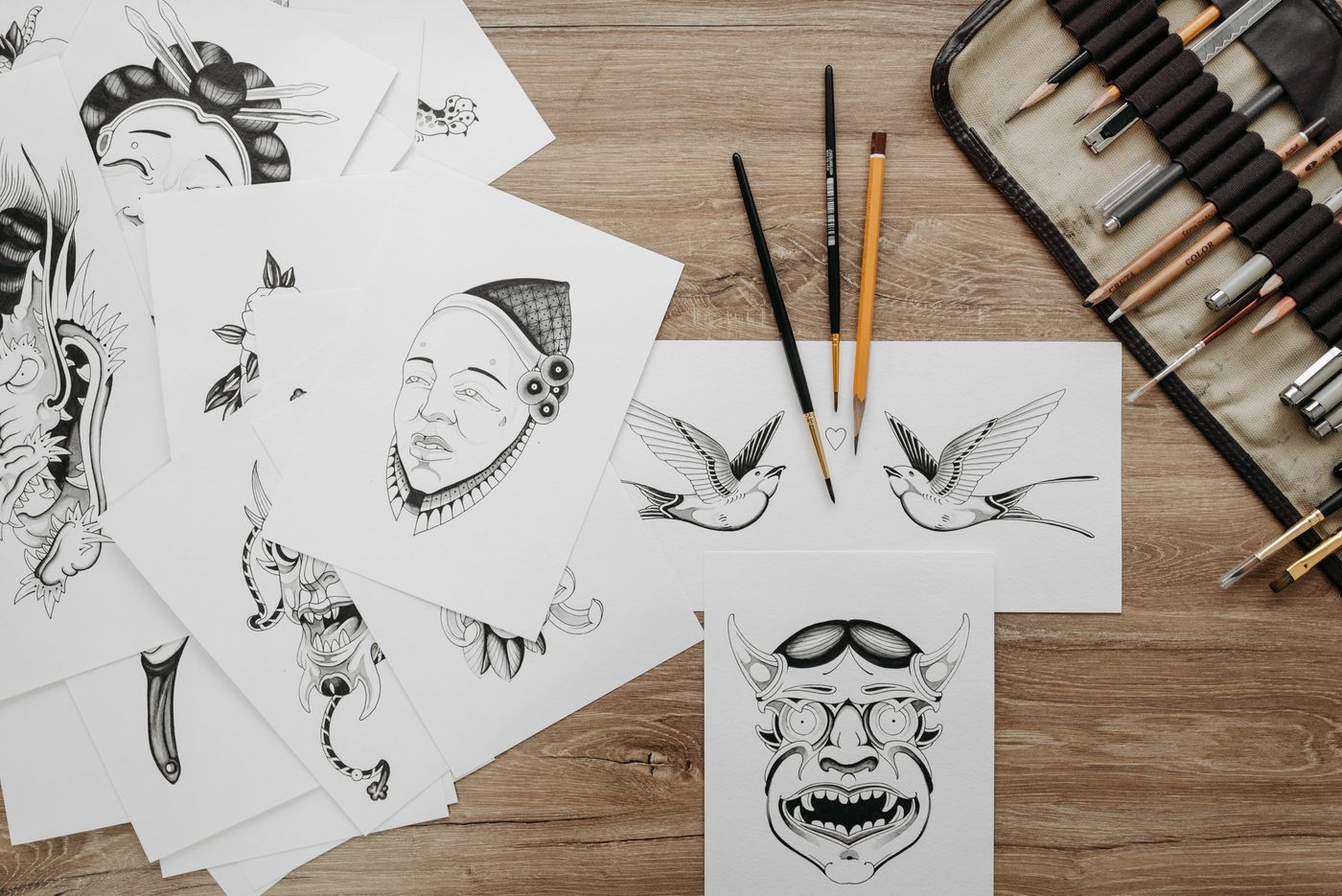
Build your drawing skills first
02
Get structured training
03
Practise on the right surfaces
Practice skin pads let you repeat lines, spacing and shading as often as you need, with no risk to anyone. Set up every practice session the way you would a real appointment, so safe habits become automatic.
04
Build a focused portfolio
05
Check the requirements where you'll work
Tattooing is regulated differently across Australia. Before you tattoo anyone, find out what applies to you, your premises and your practice in your state or territory. There’s more on this below.
03
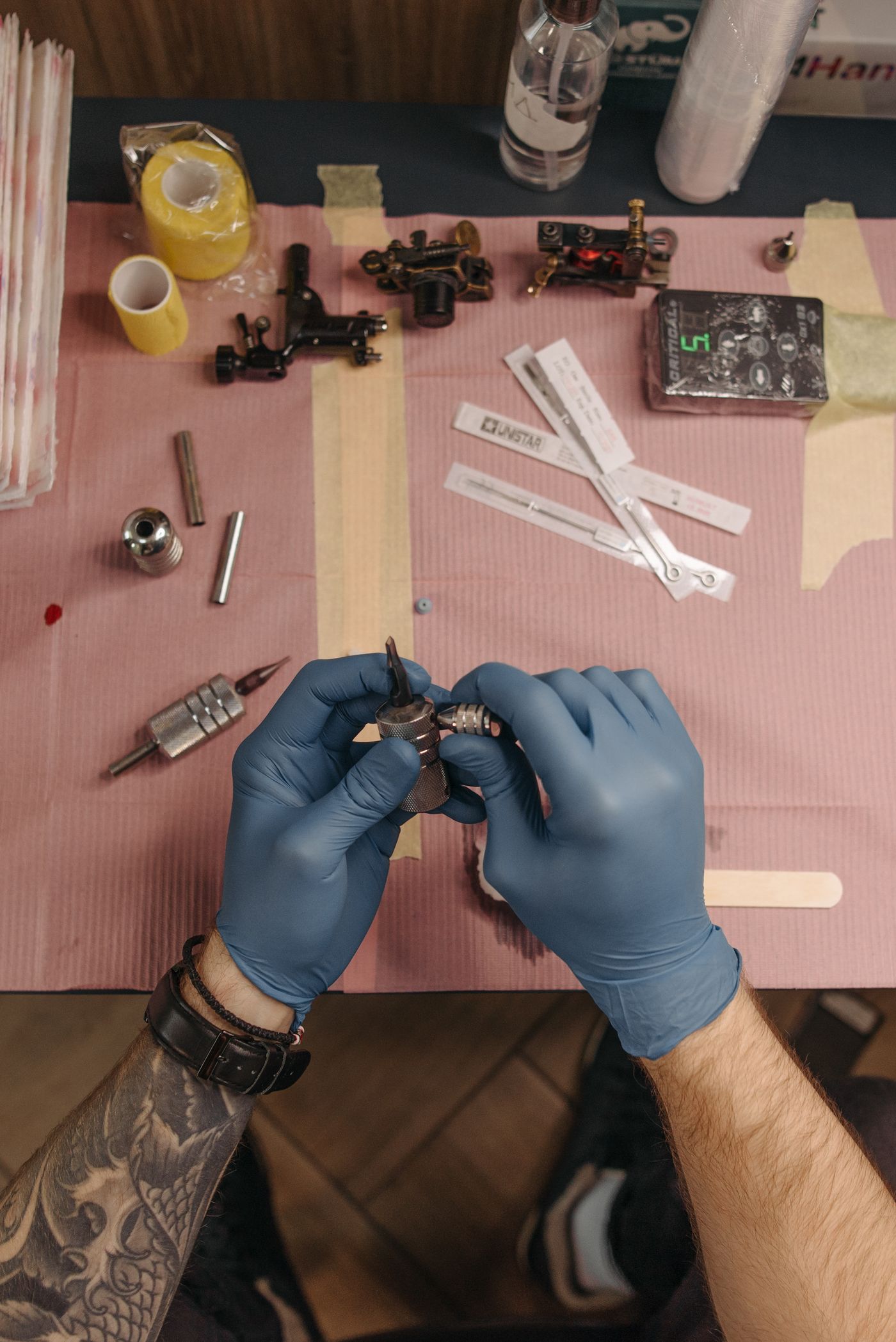
Safe practice before frequent practice
Barrier film, single-use cartridges, gloves, separating clean from used, and handling sharps properly aren’t extras. They’re the foundation every other skill sits on, and many local requirements expect you to show them.
STAGE 05 · REQUIREMENTS
Know the rules in your state or territory
There’s no single national tattoo licence. Some states and territories license individual tattooists or tattoo businesses, and local councils often have skin penetration or public health rules for premises. Requirements change, so always go to the official source rather than a forum post. Here’s where to look.
STATE OR TERRITORY
Licensing for the tattooist
Check whether an individual licence or registration applies to you, what it involves and whether it has to be in place before you start work.
LOCAL COUNCIL
Rules for the premises
Ask about registration, inspections and infection control standards for skin penetration businesses in the area where you’ll tattoo.
THE STUDIO
How the studio works
If you’re joining an established studio, ask how they handle consent, record-keeping, age checks and hygiene, and what they expect from a new artist.
BEFORE YOU ENQUIRE
A short checklist
A sketchbook of recent, steady line drawings
A clear idea of the fine line style you want to work in
An honest sense of your starting level: new or already tattooing
Commitment to hygiene and safety from your very first session
A note of the requirements that apply in your state or territory